

Modern life moves at an exhausting pace. Between demanding work schedules, endless notifications, financial pressures, and social expectations, many people feel mentally drained before the day even begins. While physical health has traditionally received most of the attention, mental well-being is now becoming a major part of conversations about overall wellness. People are starting to recognize that emotional balance affects every area of life, from relationships and productivity to sleep and physical health. In a world that constantly pushes people to do more and move faster, protecting mental well-being has never been more important.
The Impact of Stress on Daily Life
Stress has become so common that many people accept it as a normal part of life. However, constant stress can quietly damage emotional and physical health over time. It can affect concentration, energy levels, mood, and even decision-making abilities. When stress goes unmanaged, it may lead to anxiety, burnout, or feelings of isolation. Many individuals also notice changes in appetite, sleep patterns, and motivation during stressful periods. Recognizing these signs early can help people take healthier steps before the pressure becomes overwhelming.
The Connection Between Mental Health and Physical Health
The connection between the mind and body is stronger than many people realize. Emotional struggles can contribute to headaches, digestive problems, high blood pressure, and weakened immune function. At the same time, poor physical health can increase emotional distress and lower self-esteem. Florida mental health and primary care providers now emphasize the importance of integrated care because services often work together to help patients manage both emotional and physical challenges more effectively. Addressing mental wellness alongside physical care can create better long-term outcomes and improve overall quality of life.
Social Media and Digital Overload

Technology has made communication easier, but it has also created new mental health challenges. Social media often encourages comparison, unrealistic expectations, and constant exposure to negative news. Many people feel pressure to appear successful, happy, or productive at all times. Spending too much time online can increase anxiety and reduce meaningful face-to-face interaction. Taking regular breaks from screens and setting healthy boundaries with technology can help restore balance and improve emotional clarity.
Healthy Relationships for Emotional Stability
Human connection plays a major role in mental well-being. Supportive relationships provide comfort during difficult times and help people feel understood and valued. On the other hand, toxic relationships can increase stress and emotional exhaustion. Healthy communication, trust, and emotional support are essential for maintaining strong personal connections. Spending time with family members, close friends, or supportive communities can make a significant difference in emotional resilience and overall happiness.
The Importance of Rest and Self-Care
Many people view rest as a luxury rather than a necessity, but mental wellness depends heavily on recovery and self-care. Sleep, exercise, healthy eating, and relaxation all contribute to emotional balance. Even small habits like taking a walk, reading a book, or spending time outdoors can reduce stress levels. Self-care does not have to be expensive or time-consuming. Consistent daily habits that promote calmness and stability can improve mood and increase energy over time.
The Stigma Around Mental Health
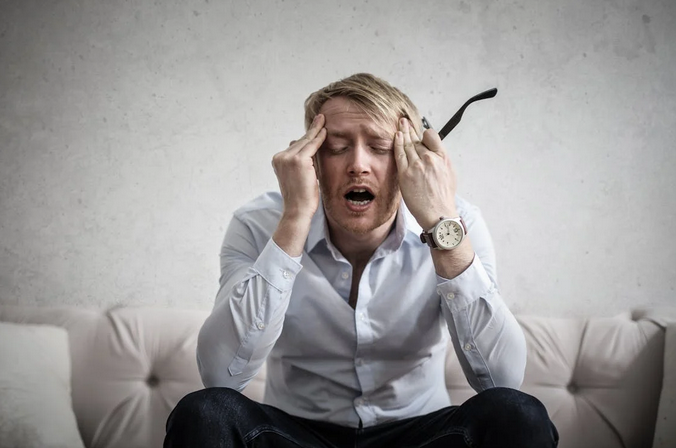
For many years, mental health struggles were surrounded by silence and misunderstanding. Fortunately, attitudes are beginning to change. More people are openly discussing anxiety, depression, stress, and emotional burnout without shame. Public conversations, workplace wellness programs, and increased access to resources have encouraged individuals to seek support when needed. Breaking the stigma allows people to recognize that asking for help is a sign of strength, not weakness. Open discussions also create more compassionate communities where individuals feel less alone.
How to Build a More Balanced Future
As awareness grows, more individuals are learning how important it is to prioritize emotional health before problems become severe. Schools, workplaces, and healthcare providers are increasingly focusing on prevention and long-term wellness rather than only reacting during crises. Simple lifestyle changes, stronger support systems, and greater mental health education can help create healthier communities. When people feel emotionally supported, they are often more productive, confident, and capable of handling life’s challenges.
Mental well-being affects nearly every part of life, from physical health and relationships to productivity and personal fulfillment. In today’s fast-moving world, taking care of emotional health is no longer optional—it is essential. By managing stress, maintaining healthy habits, building supportive relationships, and seeking help when necessary, people can create a healthier and more balanced life. As society continues to recognize the importance of mental wellness, individuals will have more opportunities to live happier, healthier, and more connected lives.
…

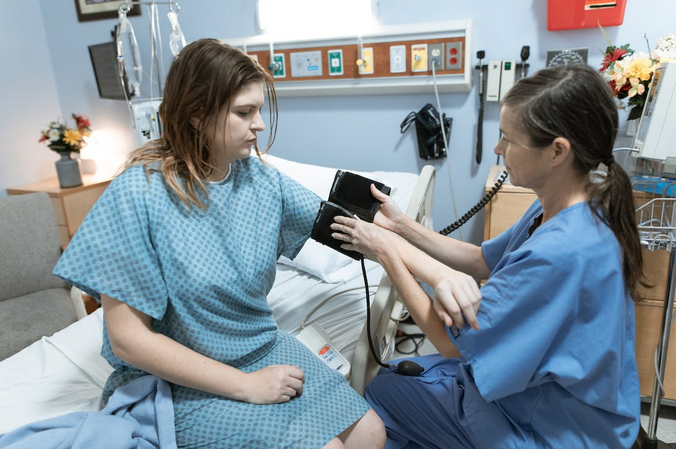



 Most people with mental health issues turn to substances as a way to cope with their symptoms or escape from the pain they are experiencing. Conditions which can range from depression, bipolar disorder, anxiety, to post-traumatic stress disorder (PTSD) can all elevate the risk of developing substance abuse problems. These conditions often create feelings of distress and discomfort that individuals may try to alleviate through self-medication. Moreover, there is also evidence that suggests a bidirectional relationship between substance abuse and mental health disorders. Substance abuse can make existing mental health conditions even worse. Often, it can also contribute to the development of new ones.


 Another tip to treat a spinal cord injury is to take
  The last tip to treat a spinal cord injury is to wear the right support garments. This includes supportive belts, braces, and shoes, which can help improve posture and reduce pain. The type of technical aid that you should use depends on your specific condition. Consult an experienced therapist or doctor who can advise you on what kind of support garments would be best for you. It is also important to ensure that the support garments are of good quality and fit perfectly, as this will improve their effectiveness. Avoid buying cheap and ill-fitting support garments, as these may be of little help in improving your condition.
 Regular checkups are important for all aspects of your health, but it is especially important for liver health. Your doctor can check your liver function and see if there are any problems. If you have any concerns about your liver, do not hesitate to bring them up with your doctor. They will be able to give you the best advice on how to keep your liver healthy. This is an important part of maintaining your overall health.