
Taking the courageous step to seek rehab services for addiction or mental wellness issues is a positive and life-changing decision. However, the prospect of entering Thailand rehab can be daunting and may raise many questions and uncertainties. Here’s a look at what you can expect when seeking rehab services.
Assessment and Intake Process
The first step in seeking rehab services is the assessment and intake process. This typically involves a series of interviews, questionnaires, and medical evaluations to gain a comprehensive understanding of your unique needs, history, and treatment goals. The information collected during this stage will form the foundation for developing a personalized treatment program that meets your specific requirements.
Detoxification (Detox) Phase
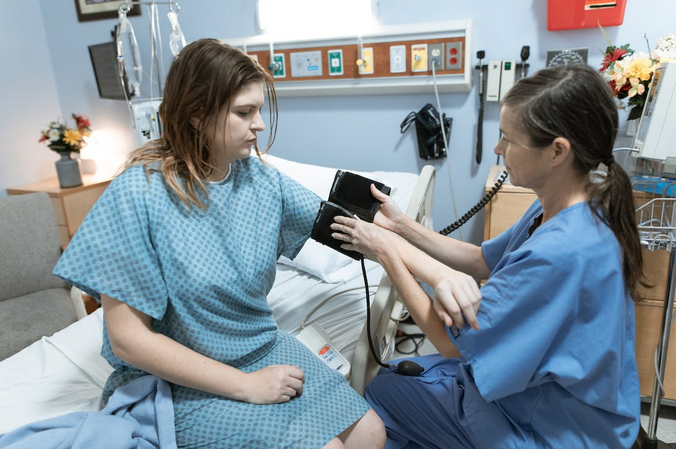
If applicable, the next phase in rehab is the detoxification process. If you are dependent on drugs or alcohol, it may be necessary to undergo medically supervised detox to safely manage withdrawal symptoms. Detox is typically managed by a team of healthcare professionals who will provide support, administer medication if necessary, and ensure your safety and comfort throughout the process.
Individual and Group Therapy
Individual therapy sessions with qualified therapists or counselors are common in rehabilitation programs. These one-on-one sessions provide a secure and private environment in which you may examine underlying issues, build coping techniques, and acquire a better knowledge of yourself and your addiction or mental health difficulties.
In addition to individual therapy, group therapy is a crucial component of most rehab programs. Group therapy sessions provide the opportunity to connect with peers who face similar experiences, share insights and challenges, and receive support from others who truly understand what you’re going through. Group therapy helps to foster a sense of community and provides a platform for learning from others’ perspectives.
Education and Skill-Building
Educational classes and skill-building exercises are often included in rehab programs. These sessions aim to give you practical tools and knowledge to manage your addiction or mental health issues effectively. Topics covered may include relapse prevention strategies, coping methods, stress management techniques, and healthy communication skills. The goal is to equip you with the skills needed to maintain long-term recovery.
Holistic Approaches and Recreation

Many rehab facilities incorporate holistic approaches and recreation into their programs. These can feature activities like yoga, meditation, art therapy, outdoor excursions, and physical fitness programs. These activities promote overall wellness, relaxation, and mindfulness and provide healthier outlets for emotions and stress relief.
Aftercare Planning
As your time in rehab nears its end, the treatment team will work with you to create an aftercare plan. This plan may include continued therapy, support groups, outpatient programs, or other community resources to help you maintain your progress and establish a solid foundation for long-term recovery.
Seeking rehab services is a courageous step towards healing and recovery. By understanding what to expect during the process, including assessment and intake, detoxification, therapy, education, holistic approaches, and aftercare planning, you can approach rehab with confidence and a clearer vision of the journey ahead. Remember, no two individuals’ experiences in rehab will be exactly the same, but with the right mindset, support, and dedication, seeking rehab services can be the start of a transformative and empowering chapter in your life.…


 Most people with mental health issues turn to substances as a way to cope with their symptoms or escape from the pain they are experiencing. Conditions which can range from depression, bipolar disorder, anxiety, to post-traumatic stress disorder (PTSD) can all elevate the risk of developing substance abuse problems. These conditions often create feelings of distress and discomfort that individuals may try to alleviate through self-medication. Moreover, there is also evidence that suggests a bidirectional relationship between substance abuse and mental health disorders. Substance abuse can make existing mental health conditions even worse. Often, it can also contribute to the development of new ones.


 Another tip to treat a spinal cord injury is to take
  The last tip to treat a spinal cord injury is to wear the right support garments. This includes supportive belts, braces, and shoes, which can help improve posture and reduce pain. The type of technical aid that you should use depends on your specific condition. Consult an experienced therapist or doctor who can advise you on what kind of support garments would be best for you. It is also important to ensure that the support garments are of good quality and fit perfectly, as this will improve their effectiveness. Avoid buying cheap and ill-fitting support garments, as these may be of little help in improving your condition.
 Regular checkups are important for all aspects of your health, but it is especially important for liver health. Your doctor can check your liver function and see if there are any problems. If you have any concerns about your liver, do not hesitate to bring them up with your doctor. They will be able to give you the best advice on how to keep your liver healthy. This is an important part of maintaining your overall health.